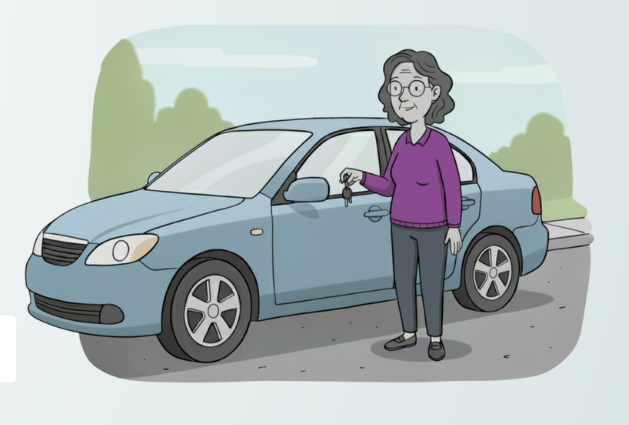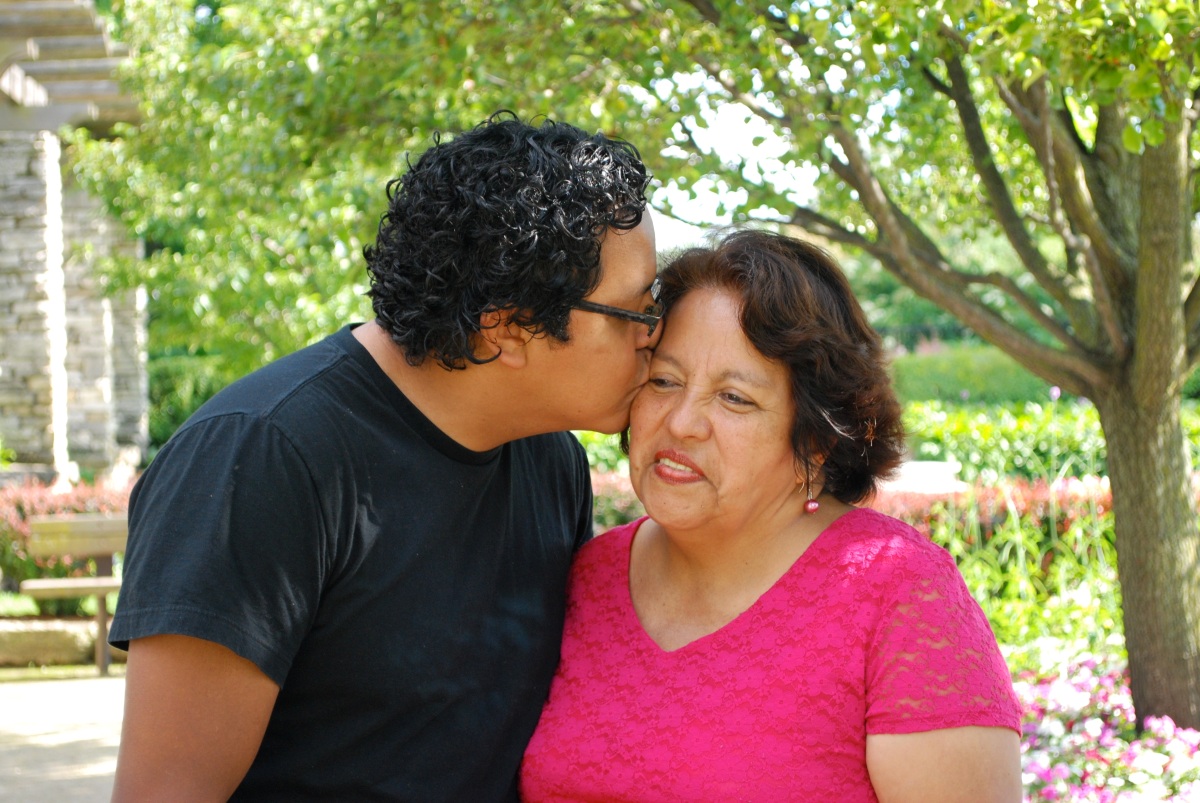


Maria is 88 and lives in residential aged care in Western Australia. After a series of falls, Maria knew she could no longer live independently. The former Montessori school teacher and widowed mother of six is still sharp as a tack. That’s how she knows, despite receiving excellent care in her new home, her rights are being violated multiple times a day.
The culprit is elderspeak and Maria experiences it from carers, agency staff, nurses and management.
What is elderspeak?
Elderspeak is inappropriate simplified speech used with older adults, especially in health care settings[1]. It can sound like baby talk and is generally perceived as patronising.
What does elderspeak look like in practice?
Common attributes of elderspeak[2] are minimising words, using childish terms and phrases, and collective pronoun substitution. The language sounds bossy or controlling and is not how adults are normally addressed. Examples include:
- Addressing an older person by terms of endearment or generic names: “Honey”, “Love”, “Dearie” “Gran” or “Papa”
- Using plural pronouns instead of direct questions: “Are we ready for bed?”, or “Are we getting hungry?”
- Using childish language: “Have we made a poo today?”, “You have to eat your veggies to stay strong.”, or “If I give you more juice, you’ll make water in your pants.”
- Posing questions without letting the older person respond (known as tag questions): “It’s time for your shower now, right?”
- Encouraging an older person to do something to please the carer (known as reflective speech): “Take your medication for me,” or “Should I call you Nonna or Mama?”.
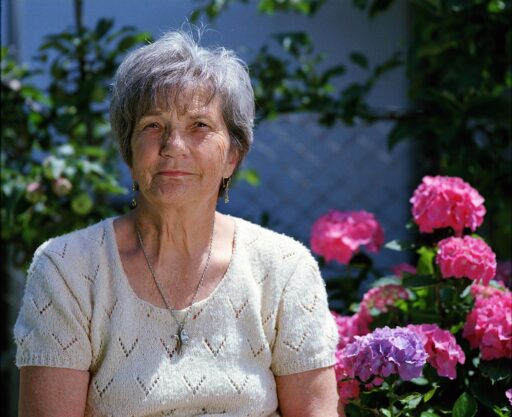
Elderspeak is common in care situations
In one US study[3], a review of transcripts from staff-resident recordings revealed 84% used elderspeak during bathing, dressing, oral care, and other activities. Another study focused on hospital dementia care found “nearly all (96.6%) care encounters included some elderspeak.”[4]
Consequences of elderspeak
The intent is almost always good but it’s mistakenly believed using elderspeak improves older adults’ ability to understand communication. Multiple studies show elderspeak has adverse effects:
- Increased resistance to care: Elderspeak doubles the probability of rejection of care among persons with dementia[5].
- Negative self-perception: In older adults with no cognitive difficulties, elderspeak can negatively affect their self-esteem[6].
- Behavioural responses: In dementia care, elderspeak is associated with negative behavioural responses such as withdrawal, crying, fighting, and even increased use of antipsychotic medications[7].
How elderspeak violates Maria’s rights under the new Aged Care Act
As of 1 November 2025, the Statement of Rights[8] in the Aged Care Act 2024[9] gives Maria the right to safe, quality and fair funded aged care services, as they currently have been under the Charter of Aged Care Rights provisions. However, under the new Act, service providers are now legally obligated to uphold these rights. It explicitly defines a “person-centred” care system where older people are treated as unique individuals, including:
- Being treated with dignity and respect
- Receiving safe, fair, equitable and non-discriminatory treatment
- Having the individual’s identity, culture, spirituality and diversity valued and supported
- Providing aged care services that are culturally safe and appropriate, trauma-aware and healing-informed.
What to do about elderspeak?
Many older people speak up and demand to have their rights observed. Family members can also point out elderspeak when they hear it, either in conversations about their loved ones or when it happens in their presence.
Just as carers must have permission to enter a room, they can ask each resident how they want to be addressed. For aged care facilities, it can be as simple as putting the preferred way to address the resident on the nameplate outside their door.
The good news is awareness and training are highly effective in reducing elderspeak once the negative impact is understood. Advocare is calling for widespread support throughout the aged care industry to stamp out elderspeak.
If you would like more information about elderspeak and how to eliminate it, Advocare can help. Get in touch for free, unbiased support.
REFERENCES:
[1] Shaw CA, Gordon JK. Understanding Elderspeak: An Evolutionary Concept Analysis. Innov Aging. 2021 Jul 3;5(3):igab023. doi: 10.1093/geroni/igab023. PMID: 34476301; PMCID: PMC8406004.https://pubmed.ncbi.nlm.nih.gov/34476301/
[2] Shaw C, Ward C, Gordon J, Williams K, Herr K. Characteristics of elderspeak communication in hospital dementia care: Findings from The Nurse Talk observational study. Int J Nurs Stud. 2022 Aug;132:104259. doi: 10.1016/j.ijnurstu.2022.104259. Epub 2022 Apr 22. PMID: 35623154; PMCID: PMC10408664. https://pmc.ncbi.nlm.nih.gov/articles/PMC10408664/
[3] Williams K, Shaw C, Lee A, Kim S, Dinneen E, Turk M, Jao YL, Liu W. Voicing Ageism in Nursing Home Dementia Care. J Gerontol Nurs. 2017 Sep 1;43(9):16-20. doi: 10.3928/00989134-20170523-02. Epub 2017 May 30. PMID: 28556867; PMCID: PMC5572481.https://pmc.ncbi.nlm.nih.gov/articles/PMC5572481/
[4] Shaw C, Ward C, Gordon J, Williams K, Herr K. Characteristics of elderspeak communication in hospital dementia care: Findings from The Nurse Talk observational study. Int J Nurs Stud. 2022 Aug;132:104259. doi: 10.1016/j.ijnurstu.2022.104259. Epub 2022 Apr 22. PMID: 35623154; PMCID: PMC10408664. https://pmc.ncbi.nlm.nih.gov/articles/PMC10408664/
[5] Shaw C, Williams KN, Perkhounkova Y. Educating Nursing Home Staff in Dementia Sensitive Communication: Impact on Antipsychotic Medication Use. J Am Med Dir Assoc. 2018 Dec;19(12):1129-1132. doi: 10.1016/j.jamda.2018.09.030. PMID: 30471803; PMCID: PMC6261475.
https://pmc.ncbi.nlm.nih.gov/articles/PMC6261475/
[6] Clarissa A Shaw, Jean K Gordon, Caitlin Ward, Lainie Jackson, Nathan Shaw, Kristine N Williams, The Iowa Coding Scheme for Elderspeak: Development and Validation, The Gerontologist, Volume 65, Issue 6, June 2025, gnaf093, https://doi.org/10.1093/geront/gnaf093
[7] Shaw CA, Gordon JK. Understanding Elderspeak: An Evolutionary Concept Analysis. Innov Aging. 2021 Jul 3;5(3):igab023. doi: 10.1093/geroni/igab023. PMID: 34476301; PMCID: PMC8406004. https://pubmed.ncbi.nlm.nih.gov/34476301/
[8] A new Aged Care Act for the rights of older people,
https://www.health.gov.au/resources/publications/a-new-aged-care-act-for-the-rights-of-older-people
[9] About the new rights-based Aged Care Act,
https://www.health.gov.au/our-work/aged-care-act/about