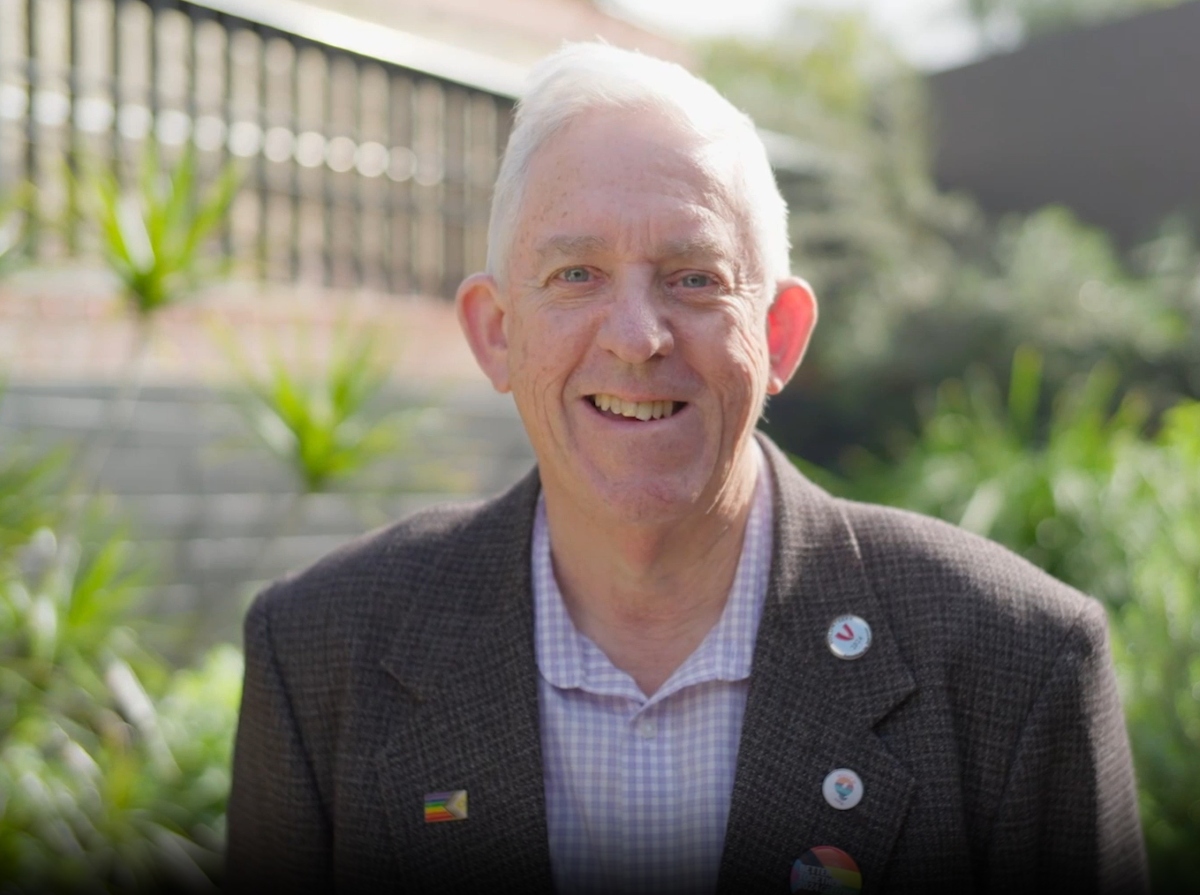


As we reflect on the year that was, our Seniors Peak Body Manager, Bianca Marson Whait recaps on how older West Australians fared in 2025. Read her thoughts on how ageing can be both a privilege and a challenge from what we’ve encountered, particularly in the last 12 months.
Being a senior in Western Australia in 2025 is both a privilege and a challenge. On one hand, we are witnessing people live longer, healthier and more connected lives than any generation before them. On the other, many seniors are still encountering hurdles that make ageing harder than it should be. The important thing is the conversation is shifting, and it’s starting to shift in the right direction, thanks to strong reforms and bold advocacy.
The positives are worth celebrating. Older Australians currently benefit from a web of concessions and discounts that make everyday life a little easier like cheaper transport, healthcare rebates, and utility support. For many, superannuation and the Age Pension provide a measure of financial security.
Communities are also recognising the importance of engaging older people in community life. Volunteering, clubs, and programs designed to reduce isolation are thriving, and more opportunities to access digital literacy training are helping bridge the once-daunting technology gap.
There’s also a cultural shift underway. Many older adults continue working beyond the standard retirement age, imparting wisdom to younger colleagues gained through decades of observing trends and being the pioneers of change in their chosen field. Frustratingly, ageism is still rife in some workplaces, as evidenced in a recent report from the Australian Human Resources Institute and Australian Human Rights Commission. However, despite their findings workers as young as 50 may be considered ‘old’, publications like this help to drag covert bias into the light where it can be challenged.
On a positive note, the report also found older adults are increasingly recognised for their loyalty, resilience, and stability they bring to the workplace.
There’s no question some stubborn challenges remain. Cost of living pressures are biting deeply, particularly for those on fixed incomes. Housing insecurity is rising, with single older women among the fastest-growing groups facing rental stress or homelessness. Access to healthcare remains uneven, with long waits for specialists and elective surgery. And navigating the aged care system, despite reforms, is still daunting for many families.
What’s around the corner?
Yet, there is cause for optimism. Western Australia’s ‘Challenge Your Bias’ campaign is a prime example of seniors becoming more visible and valued in our community. It reminds us all that casual language and common sayings only perpetuate stereotypes and can carry real harm. When we feel out of touch or far removed from something, many of us will comment it makes us feel ‘old’, where in reality, it is simply a symptom of the fast-paced world we live in, and a measure of how much we have already experienced.
I’m sure no one ever wants to feel others think they no longer have a place or purpose, so let’s check ourselves and keep changing the narrative about ageing.
Nationally, the introduction of a new rights-based Aged Care Act, in November 2025, will enshrine dignity, choice, and respect into law for older people in care. This is a great starting point, and organisations such as Advocare, the Older Person’s Advocacy Network, and Council on the Ageing (COTA,) are collectively pushing for even stronger protections. This includes a national plan to combat elder abuse and recognition of older people’s rights at an international level, spearheaded by the United Nations.
These initiatives matter because they signal a broader shift in thinking about and viewing later years of life. They tell us that ageing is not a problem to be managed, but a life stage to be respected, supported, and even celebrated.
Being an older adult in WA today is not perfect, but as they say in the classics, ‘Rome wasn’t built in a day’. Hopefully, our ageing population is looking at years to build on progress rather than centuries! In 2025, older Australians are finding their collective voice, and society is beginning to listen.
(Advocare acknowledges The Senior newspaper. Our article appeared in their December 2025 edition).