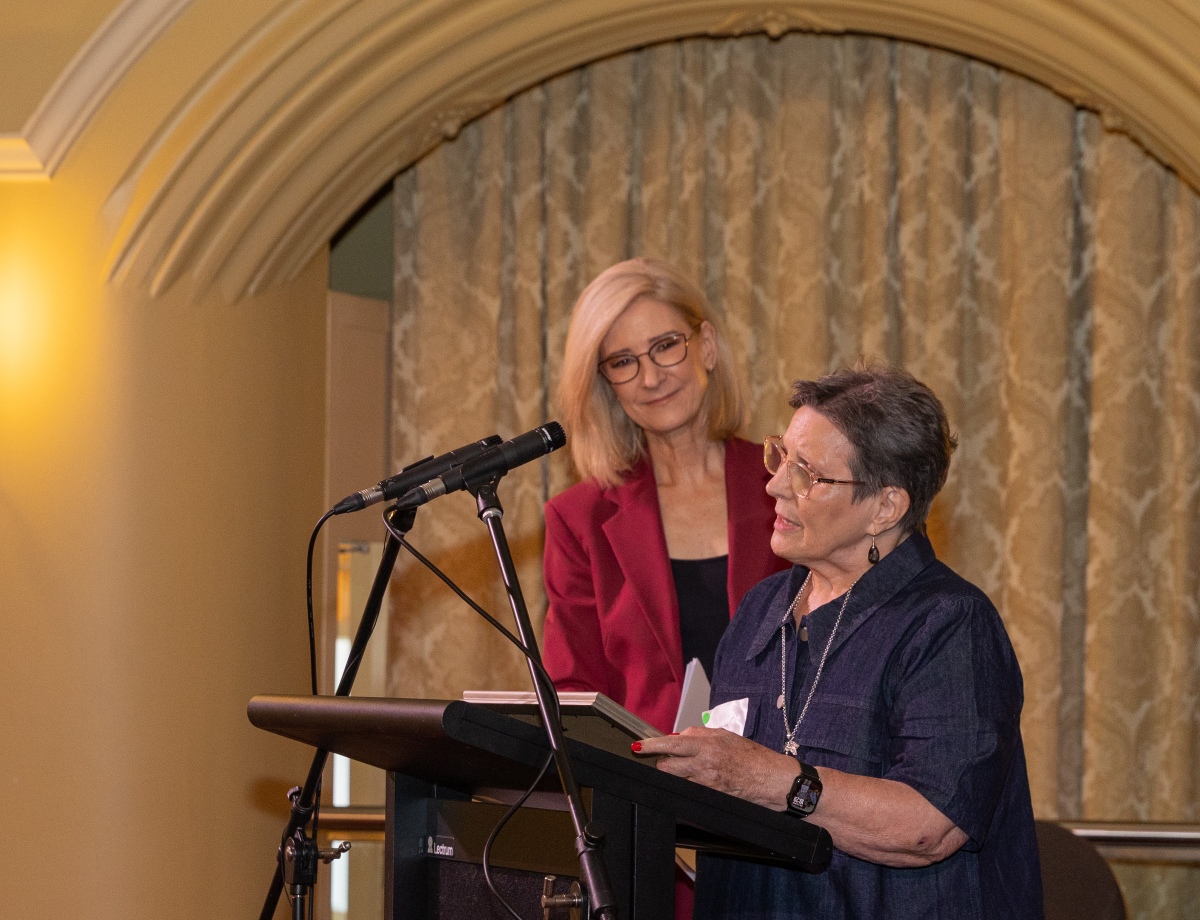


Have you heard of ‘bed blocking’ in the current public debate about hospital pressures? It’s a shorthand phrase used to describe older people who find themselves stuck in the hospital system and often aren’t able to be released home. Program Manager for Advocacy, Shawnee, shares her thoughts.
The phrase ‘Bedblocking’ is bandied about… but let’s be clear: older people are not the problem here. The real issue lies with a health system that has failed to prepare for what we’ve all known was coming – an ageing population.
Older people have the same rights as anyone else to access care and support through our public health system. To label them as “bed blockers” is to strip them of that right and paint them as burdens, when in reality, they are patients in need of treatment, safety and dignity.
Many older people live with complex conditions – physical, mental, and cognitive – that naturally take longer to treat. Recovery is often slower than it is for other patients. A longer hospital stay is not a sign of inefficiency or reluctance to leave; it’s simply what good clinical care requires.
And let’s not forget: no older person wants to remain in hospital longer than necessary. Most are desperate to return home, to their communities, to their familiar lives. But if safe, adequate supports are not in place, then what choice do they really have?
This is where the system is letting people down.
Discharging patients prematurely without proper community care options doesn’t solve the problem – it simply shifts it, often at great human cost.
Residential aged care is sometimes pointed to as a solution, but this misses the mark. Aged care homes are not hospitals. They provide day-to-day support, but when an older person needs medical investigation or treatment, they will still require hospital admission. Pretending otherwise ignores reality and risks lives.
Let’s stop blaming older people
It’s time to change the narrative. This is not an aged care issue, and it is certainly not an older person’s issue. This is a health system issue. We must stop the name, blame and shame approach that unfairly targets older people and instead focus on building solutions.
Government initiatives like the ‘Time to Think project’ will go a long way to relieve pressure on hospitals, and they are welcome. But let’s be honest: far more needs to be done. The ageing of our population is not a surprise – it has been forecast for decades. The real surprise is that we still haven’t adequately planned for it.
So, what should we do? First, we need fit-for-purpose transitional housing that supports older people’s medical needs while also addressing their social, emotional and cognitive wellbeing. Hospitals are not the right place for recovery, but neither is sending people home or into aged care before they are ready. Transitional options provide the bridge.
Second, older people and their families need the time and resources to make informed decisions about future care. Rushing this process robs them of dignity and denies them the right to choice and control.
Third, we need to speak plainly. Clear, accessible communication ensures that older people understand their options and can participate in decisions about their own lives.
And finally, we need to listen.
Older people are not bed blockers. They are members of our community who deserve the same care, respect and dignity as anyone else. If we want a health system that reflects our values, then we must stop blaming older people and start fixing the system that continues to fail them.
(Shawnee Van Poeteren is Advocare’s Program Manager – Advocacy)